
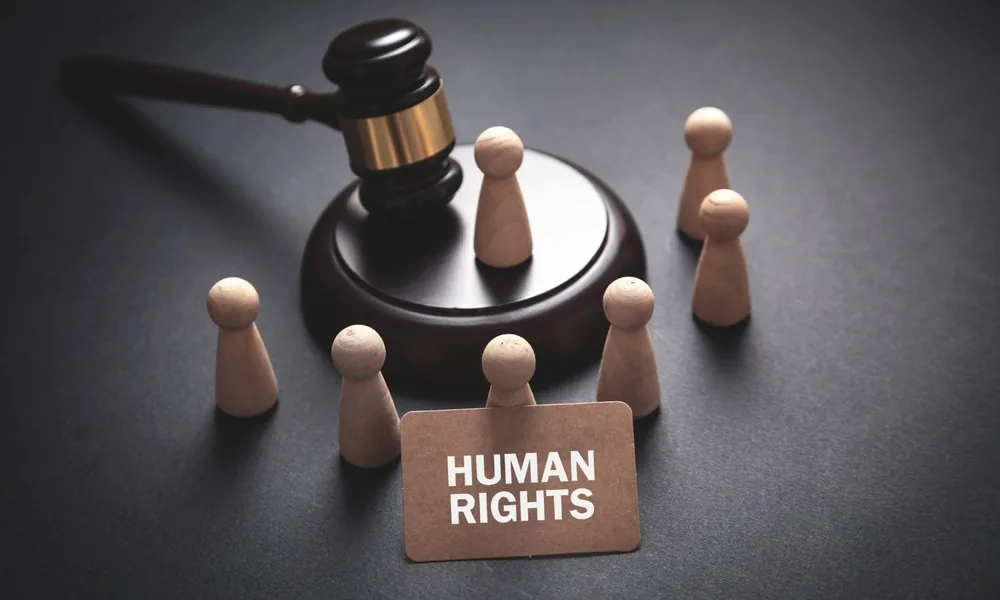
Part of our Humanism and dialogue guide.
Modern democracies are founded on the ideals of liberty, equality, and justice. Yet, many are simultaneously home to deeply entrenched religious institutions and laws that stem from faith-based doctrines. This raises a profound and urgent question: Can religion and human rights truly coexist without conflict? At Mukto-Mona, we explore the uncomfortable truths that many avoid. Our community of freethinkers, secularists, and humanists challenges not only dogma—but the political structures that protect and perpetuate it. This article takes a hard look at the tension between faith and freedom, and why it matters more now than ever in pluralistic societies.The Tension at the Core
 At the heart of the issue lies a contradiction:
- Human rights are universal, grounded in secular ethics, and guarantee personal freedoms—regardless of religion, gender, sexual orientation, or belief.
- Religious doctrines, on the other hand, are often exclusionary, absolute, and resistant to change—many explicitly deny rights to women, LGBTQ+ individuals, atheists, and minorities.
Case Studies: When Faith Overrides Freedom
1. Blasphemy Laws in Pakistan & Bangladesh
In countries like Pakistan and Bangladesh, blasphemy laws are used to silence dissent and persecute minorities. Freethinkers, like Mukto-Mona founder Avijit Roy, have been murdered for questioning religion.2. India’s Communal Politics
The rise of Hindu nationalism has led to mob violence, anti-conversion laws, and policies that treat Muslims and Dalits as second-class citizens—all in the name of religious “identity”.3. LGBTQ+ Rights and Religious Objections
Across much of South Asia and beyond, religious arguments are still used to deny same-sex marriage, adoption rights, and even basic recognition to LGBTQ+ individuals. The pattern is clear: where religion dictates law, human rights suffer.Faith vs. Freedom: False Binary?
Some argue that religion and human rights can coexist—if religion is kept personal and spiritual, not political. And that’s the key distinction. Freedom of religion is a right. Religious supremacy in public life is not. When religious belief stays in the private sphere, it can coexist with democratic values. But when it seeks to dominate law, education, or civil rights, it becomes a threat to pluralism.The Role of Secularism in Protecting Rights
Secularism is not anti-religion. It is the framework that guarantees:- Freedom of religion
- Freedom from religion
- Equal treatment under the law regardless of belief
Why This Matters Today
The world is witnessing a resurgence of theocratic politics:- Authoritarian regimes use religion to legitimise oppression
- Nationalist movements weaponise religion to exclude minorities
- Religious groups lobby to roll back women’s and LGBTQ+ rights
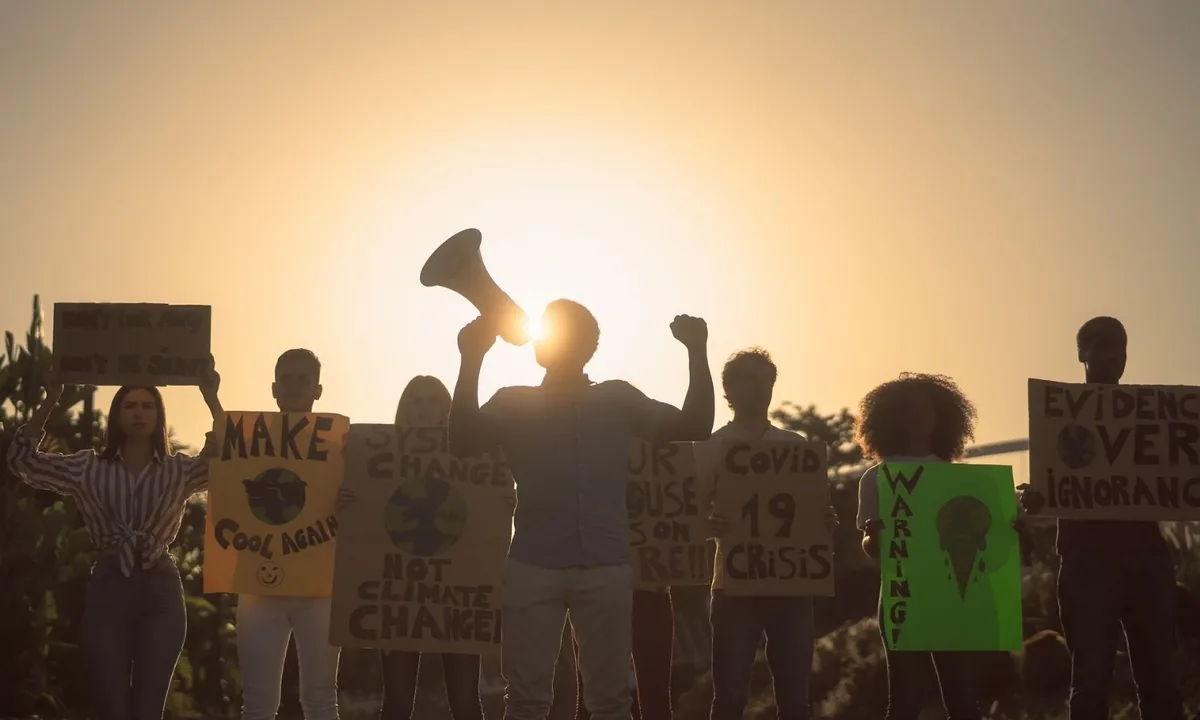
Mukto-Mona’s Position: Human Rights Are Non-Negotiable
We believe:- No belief system is above criticism
- No faith should override secular law
- No culture justifies cruelty or inequality